/Sheffield_Logo_Horizontal_Reversed.png)
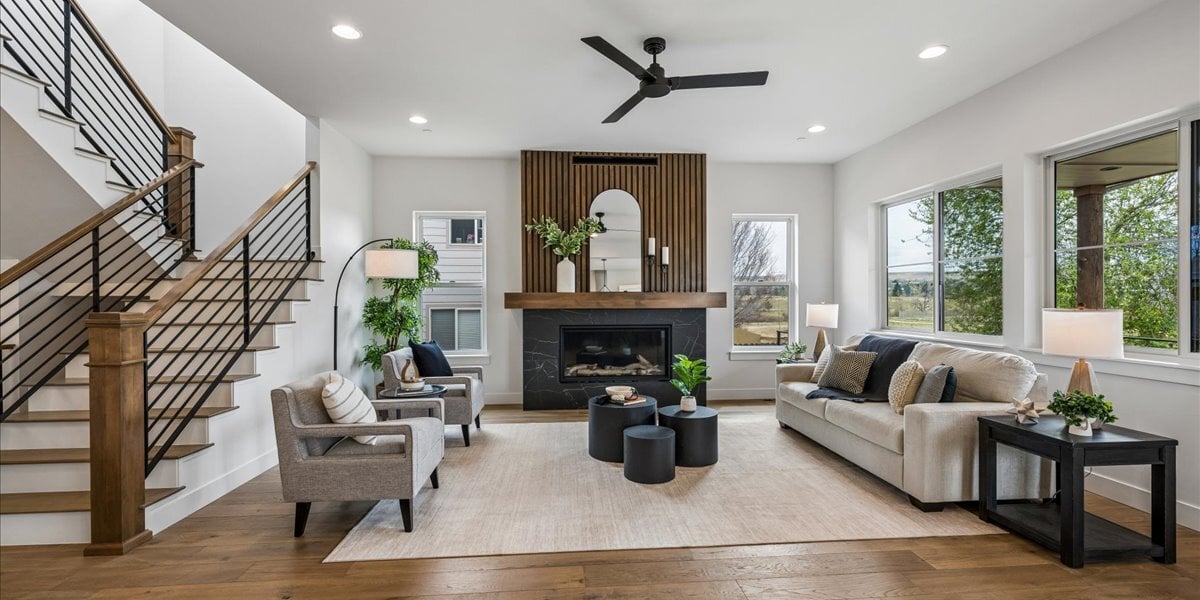
Modern homes demand more than mere standard electrical wiring. From smart home technology to high-speed internet and home entertainment systems, low-voltage wiring plays a critical role in how today’s homes function—especially in custom homes and finished basements.
If you’ve ever lived in an older home, you may remember the days of limited outlets and overloaded circuits. Today’s homes are built differently, designed to support both traditional electrical needs and a growing network of low-voltage systems that power everyday convenience.
What is Low-Voltage Wiring?
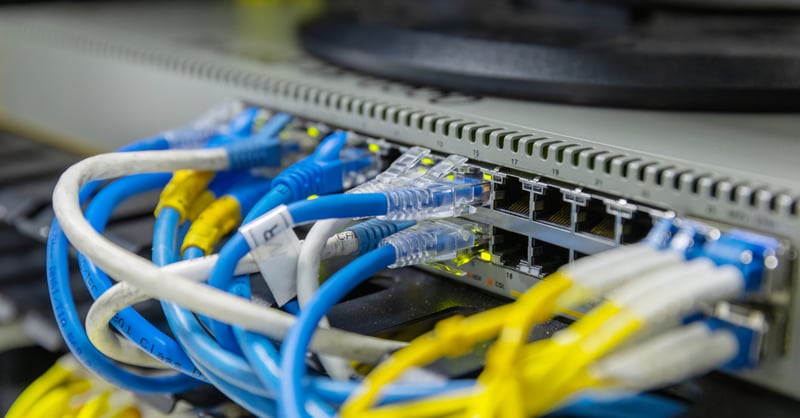
Low-voltage wiring refers to electrical systems that operate on 50 volts or less. While standard electrical wiring powers appliances and major systems (120V–240V), low-voltage wiring supports the technology that keeps your home connected and efficient.
Common low-voltage applications include:
- Smart home devices (doorbells, thermostats, automation systems)
- Home security systems (cameras, motion sensors, alarms)
- Internet, WiFi, and structured data networks
- Audio/visual and home theater systems
- Garage door controls and communication systems
- Landscape and LED lighting
In both custom home builds and finished basement projects, planning for these systems early ensures your home is ready for modern living.
How Low-Voltage Wiring Differs from Standard Electrical
Understanding the difference between standard and low-voltage wiring is key when designing your home:
- Separate infrastructure: Low-voltage systems run on structured cabling networks, installed after the main electrical rough-in
- Careful planning required: Layouts must account for electrical placement, airflow, and potential interference from high-voltage lines
- Sensitive materials: Low-voltage wires are thinner and more delicate, requiring proper handling to maintain performance
- Specialized cabling: Common types include CAT6 (Ethernet), fiber optics, coaxial cable, speaker wire, and thermostat wiring
Because of these differences, working with experienced professionals during your custom home construction or basement remodel proves essential.
Why Low-Voltage Planning Matters in Custom Homes
When building a custom home, low-voltage wiring should be part of the design conversation from the very beginning.
Early planning allows you to:
- Future-proof your home for evolving technology
- Optimize WiFi coverage and internet speed
- Pre-wire for smart home automation
- Create seamless entertainment and media experiences
- Avoid costly upgrades after construction
A well-designed custom home electrical plan ensures your home is not only beautiful but also highly functional.
The Perfect Time to Add Low-Voltage: Finished Basements
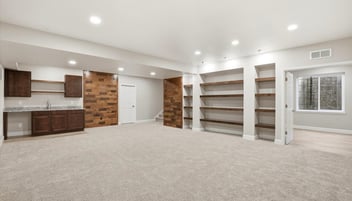
A finished basement presents one of the best opportunities to install or upgrade low-voltage systems. When walls and ceilings are open during construction, it’s significantly easier—and more cost-effective—to add wiring at this stage rather than retrofitting later.
Ideal Basement Upgrades Include:
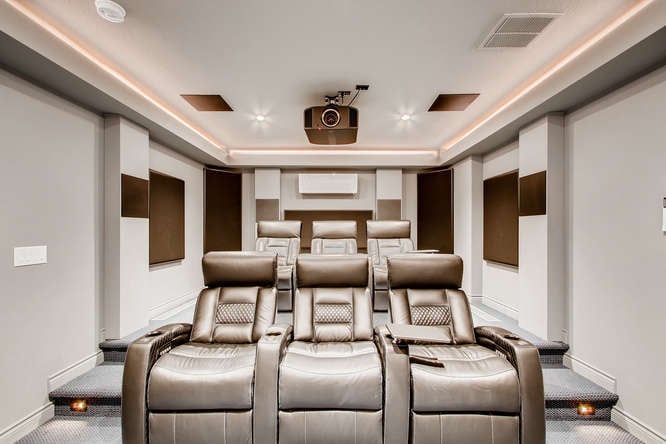
- Home theater wiring for surround sound and media systems
- Dedicated internet lines for faster, more reliable connectivity
- Security system expansion with cameras and sensors
- Smart lighting and automation for convenience and efficiency
Whether you're creating a basement entertainment space, home office, or guest suite, integrating low-voltage wiring during your basement finish project adds long-term value and flexibility.
Avoid Costly Retrofits
While it is possible to add low-voltage wiring after a home is built, it often requires:
- Cutting and repairing drywall
- Running wires through tight attic or crawl spaces
- Increased labor and installation costs
Careful planning during construction or remodeling helps avoid these unnecessary expenses.
Partner with Experts in Custom Homes & Basement Finishing
At Sheffield Homes, we understand that today’s homeowners expect more from their living spaces. Whether you're building a custom home or investing in a finished basement, our team ensures every detail—including low-voltage wiring—is thoughtfully planned and expertly executed.
We work with homeowners throughout the Denver metro area and Northern Colorado to create homes that are functional, future-ready, and built to last.
Thinking About Building or Renovating?
Contact us today to explore how smart design and proper planning can maximize your home’s potential.
Schedule a no-obligation appointment to discuss your options: 303-848-2318.


.png?width=352&name=Nguyen%20basement%20-%20staged%20(2).png)